Measuring passengers’ comfort and perceived safety in automated driving
Peng, C., Bazilinskyy, P., Yu, Y., Merat, N.
Eploring good practices, challenges, and opportunities in measuring passenger comfort and perceived safety in AVs through subjective, objective, and model-based methods. at AutomotiveUI (AutoUI), Brisbane, QLD, Australia (2025)
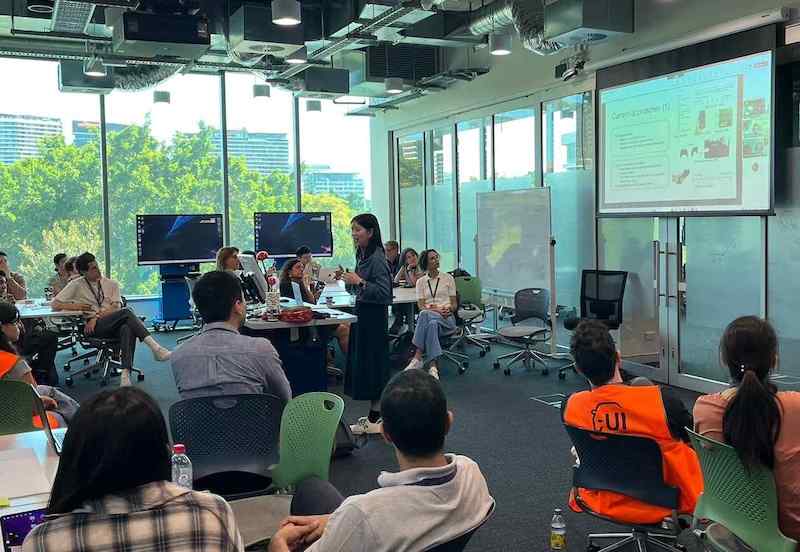
ABSTRACT Passenger comfort and perceived safety, as two psychological states, are crucial for user acceptance of automated driving. The accurate measurement of these passenger states contributes to human-centred designs for automated vehicles and developing predictive models for providing personalised settings. However, practical challenges and best practices are rarely discussed in the literature. This workshop aims to address this gap by creating a forum to synthesise current practices and explore novel, effective measurement approaches. The session includes expert talks on subjective, objective, and model-based measurement methodologies, and interactive breakout sessions. Participants will critically evaluate existing methodologies and design future multi-modal strategies, including incorporating artificial intelligence (AI). The workshop will produce numerous outcomes, including the collaborative development of a research outlook and a methodological paper for knowledge sharing.Schedule
| Introduction |
13:45–13:55 |
Welcome and introduction. Introduction of organisers and guest speakers. Overview of the workshop goals, activities, and schedule. Division of participants into two breakout groups. |
| Session 1 | 13:55–15:05 | Setting the scene. Organisers’ Introduction (10 min): Definitions of comfort and perceived safety, overview of current measurement approaches, and identification of existing challenges and gaps. Expert Talks (60 min): 1. Subjective methods: their benefits and limitations. 2. Objective methods: challenges in physiological and behavioural data use (e.g., artefact removal, variability). 3. AI-based models: insights and lessons from applying AI for passenger state detection. |
| Break | 15:05–15:10 | Coffee break. |
| Session 2 | 15:10–15:50 | Group discussions. Task 1: Critical assessment (20 min): Participants evaluate challenges and share solutions based on measurement categories (subjective, objective). Output is visualised on a shared whiteboard. Task 2: Designing future methods (20 min): Groups propose a multi-modal framework for continuous comfort and safety assessment, integrating subjective, objective, and behavioural data. Special focus is placed on the role of AI/LLMs in real-time inference. |
| Closing | 15:50–16:25 | Reflections abd wrap-up. Moderators summarise group outputs (20 min). Final reflections and closing words from the organisers (5 min). |
Organisers
Chen Peng
 Chen Peng is a Research Fellow at the Institute for Transport Studies, University of Leeds. Her research interests include user comfort in automated driving, automated driving styles, communication strategies, inclusive designs in transport, and human-technology interaction. She received her PhD in human factors in automated driving as a Marie Curie Fellow from the University of Leeds.
Pavlo Bazilinskyy
 Pavlo Bazilinskyy is an assistant professor at Eindhoven University of Technology focusing on AI-driven interaction between AVs and other road users. He finished his PhD at TU Delft in auditory feedback for automated driving as a Marie Curie Fellow, where he also worked as a postdoc. He was the head of data research at SD-Insights. Pavlo is a treasurer of the Marie Curie Alumni Association (MCAA).
Yueteng Yu
 Yueteng Yu is a PhD candidate in Human-Machine Interfaces (HMIs) for automated driving at Queensland University of Technology. His research focuses on multimodal HMI, situation awareness, and user experience in Level 3+ automated vehicles. He earned an MSc in Human-Computer Interaction from the University of Nottingham and conducted research with Tsinghua University’s HCI group. His experience spans both academia and industry, including work as a UX researcher with car manufacturers and as a Software Engineer.
Natasha Merat
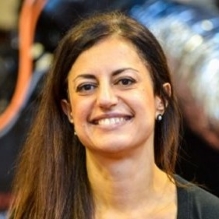 Natasha Merat is an experimental psychologist and research group leader of the Human Factors and Safety Group at the Institute for Transport Studies, University of Leeds. She also leads the Automation theme at Leeds and is responsible for the strategic direction of research conducted at Virtuocity. Her main research interests are in understanding the interaction of road users with new technologies. She applies this interest to studying factors such as driver distraction and driver impairment, and she is an internationally recognised expert in studying the human factors implications of highly automated vehicles.